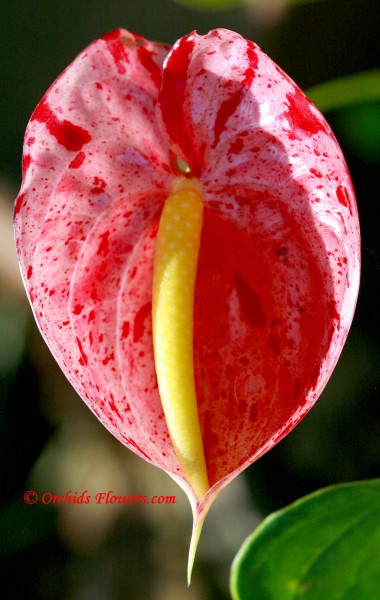
Anthurium Shibori, also called Flamingo Flower or Variegated Flower Anthurium is a rare, pink-red spotted Anthurium andreanum cultivar, from Central- and South America. Anthurium andreanum Linden 1877 species plants are considered as very difficult to cultivate indoors. Anthurium andreanum hybrids or cultivars, like Shibori are still quite challenging. The robust, arrow-shaped leaves of Anthurium Shibori Read More »

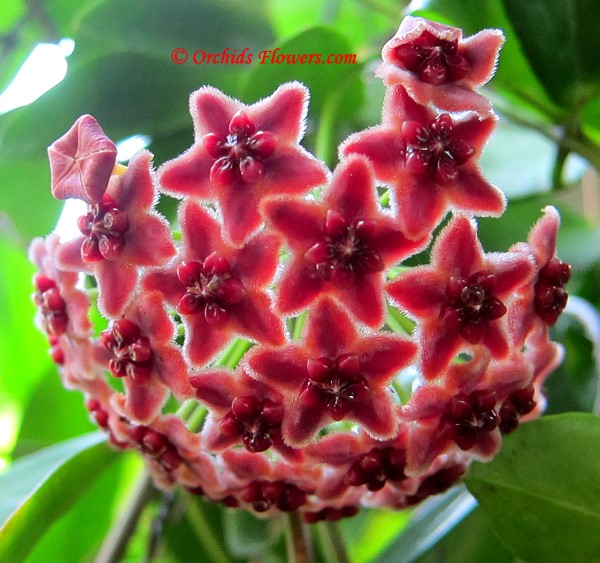
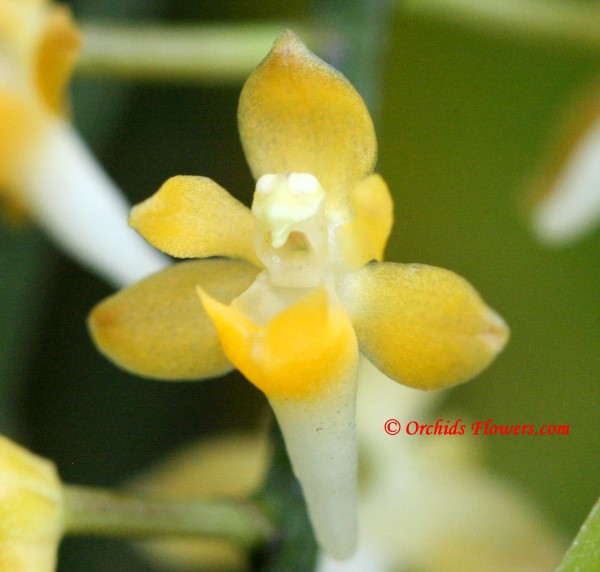
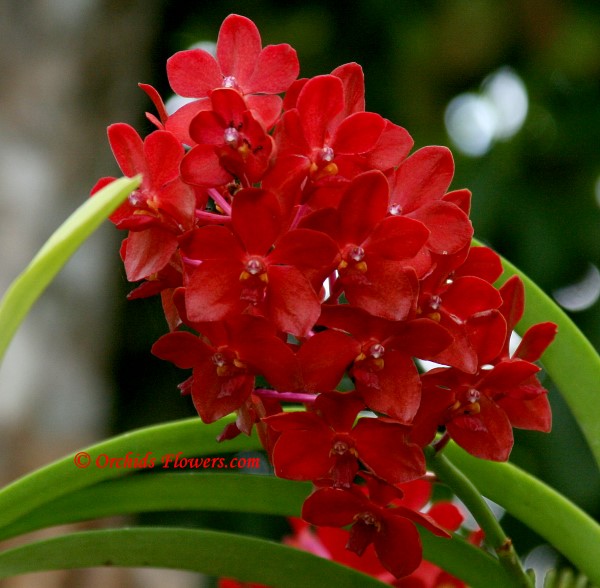
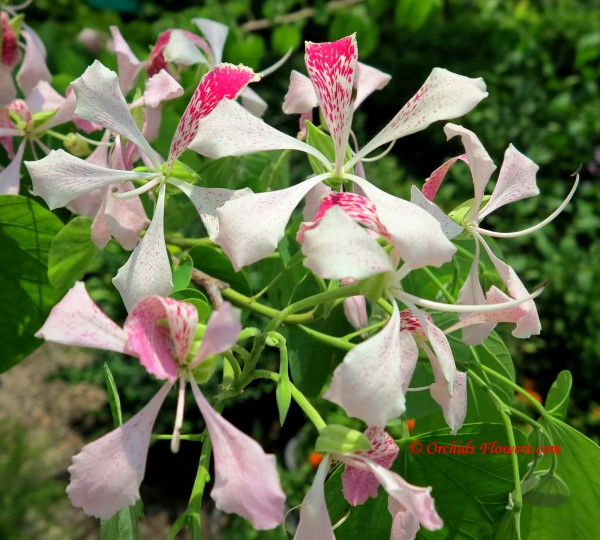
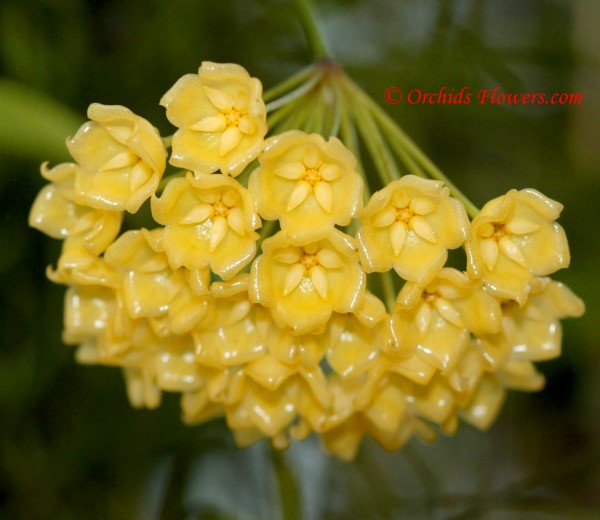
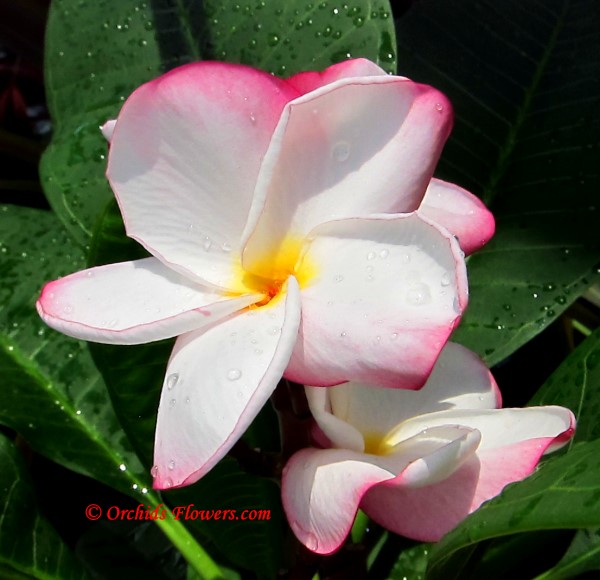
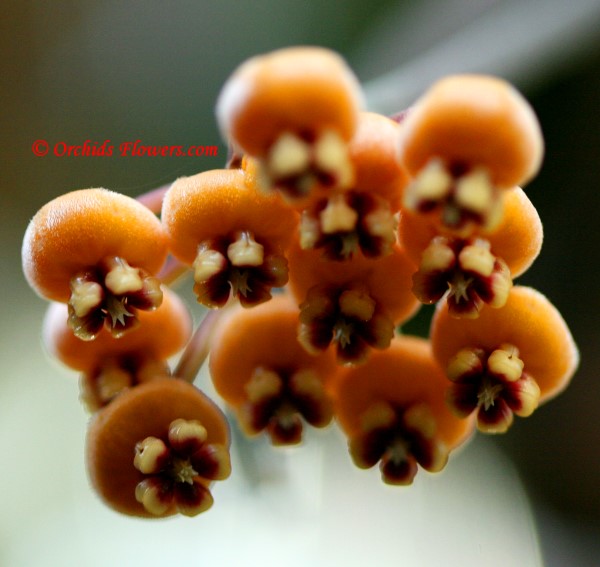 Hoya waymaniae Kloppenb.1995
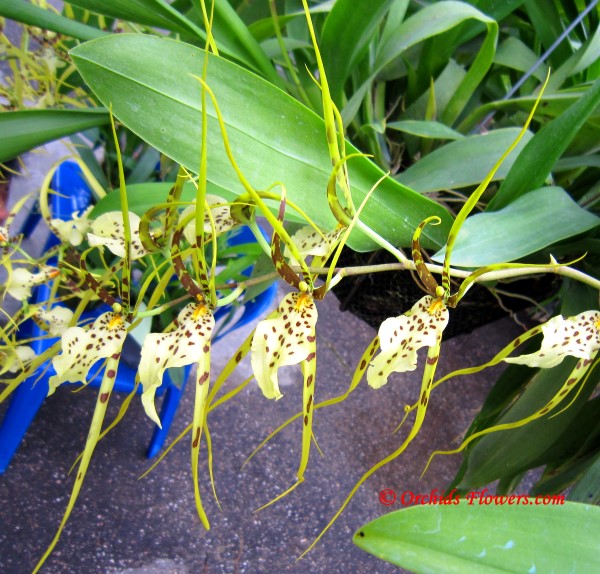 Brassia Eternal Wind “Summer Dream”
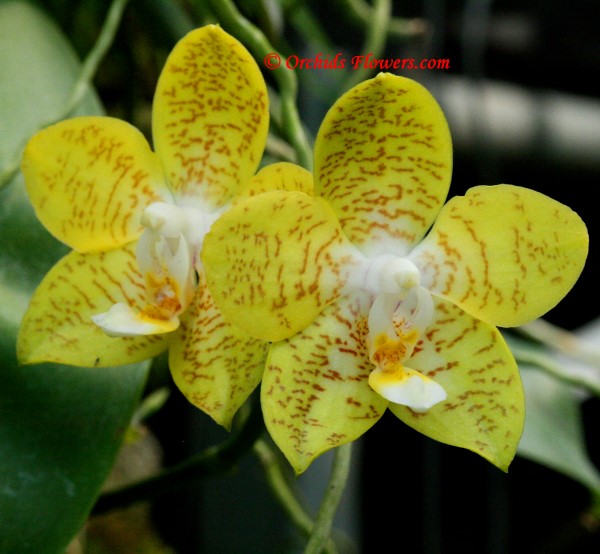
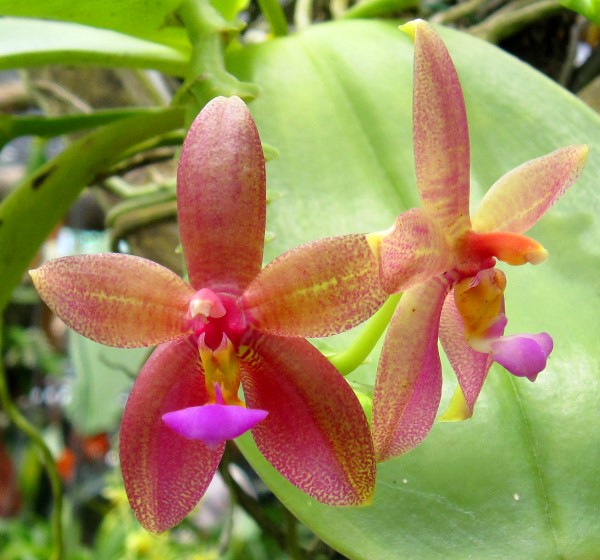 Phalaenopsis × valentinii
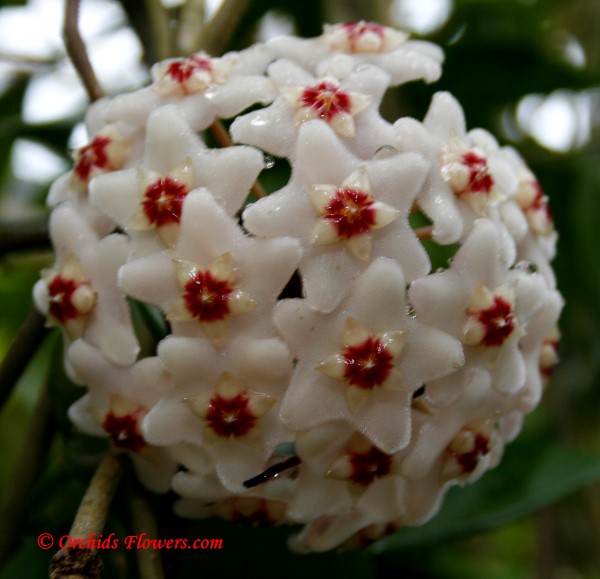 Hoya carnosa white
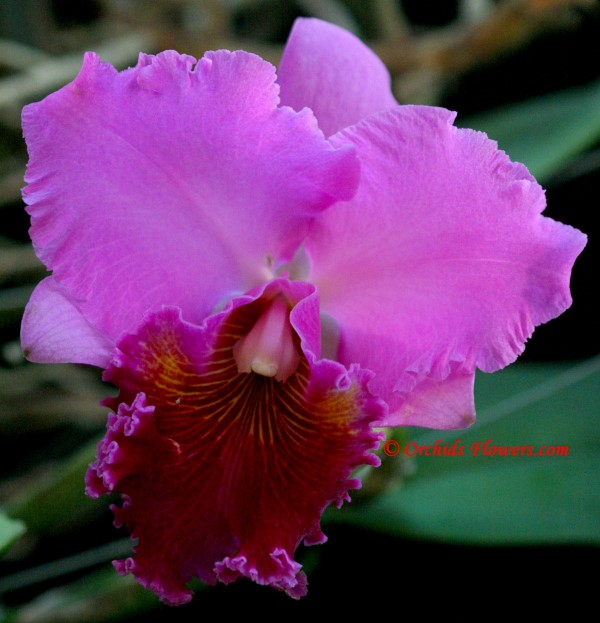
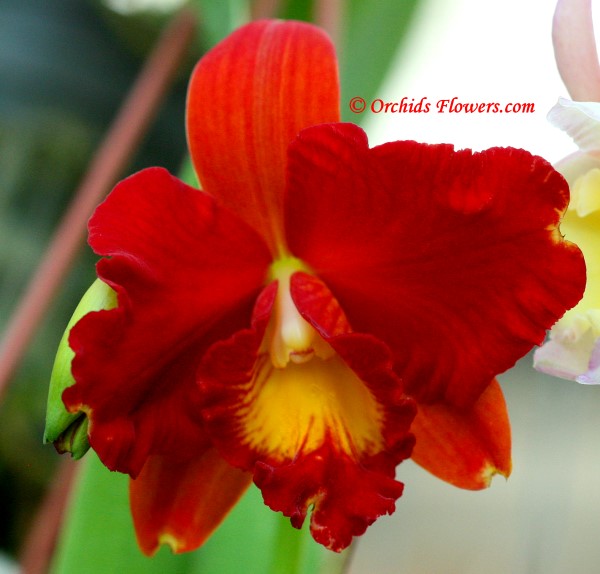 Cattleya Tainan City
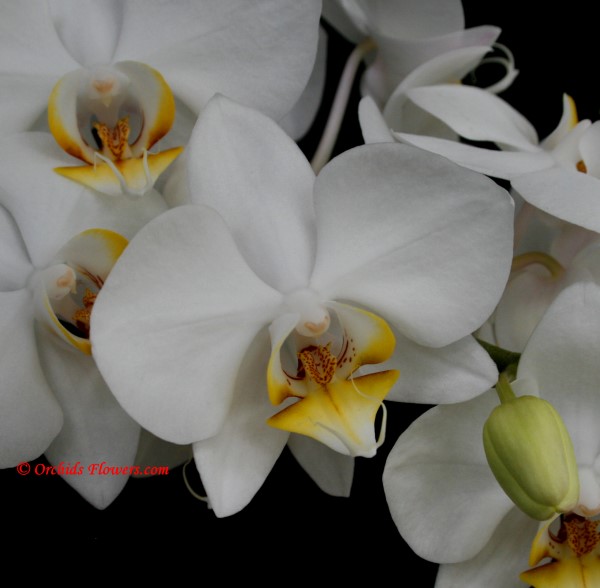 Phalaenopsis White Dream
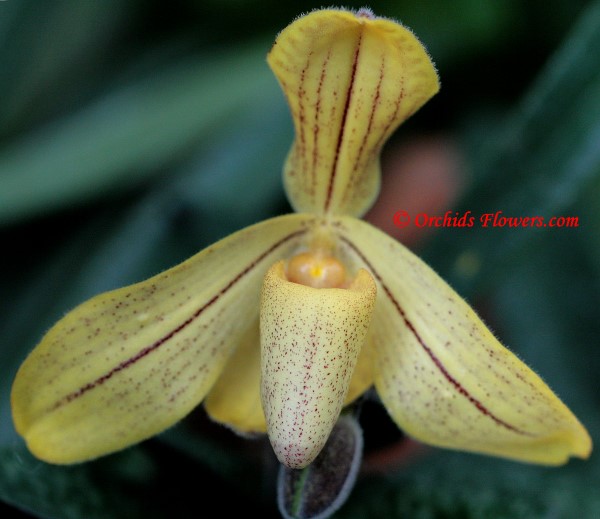 Paphiopedilum concolor var. longipetalum
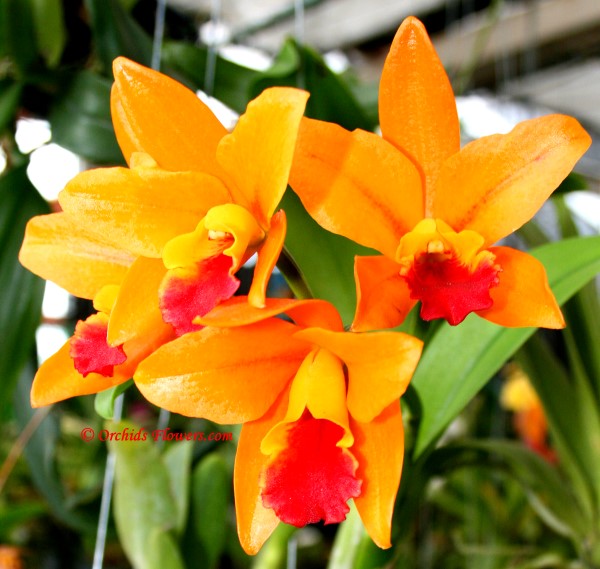 Rhyncattleanthe Netrasiri Starbright
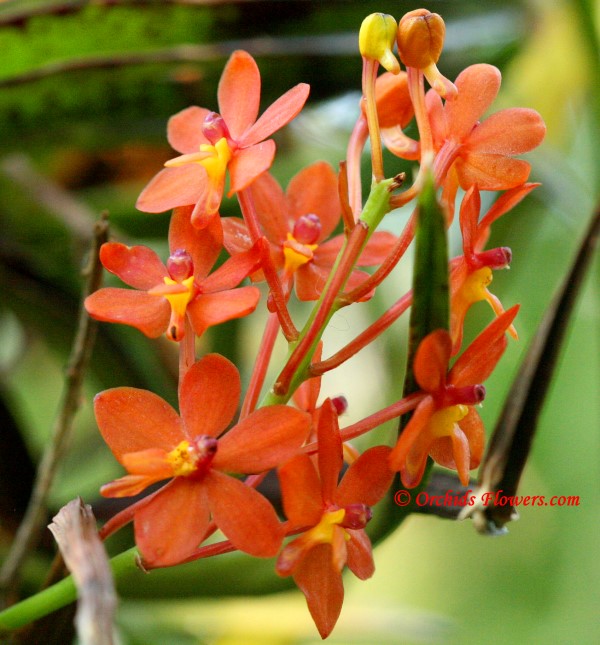 Ascocentrum curvifolium
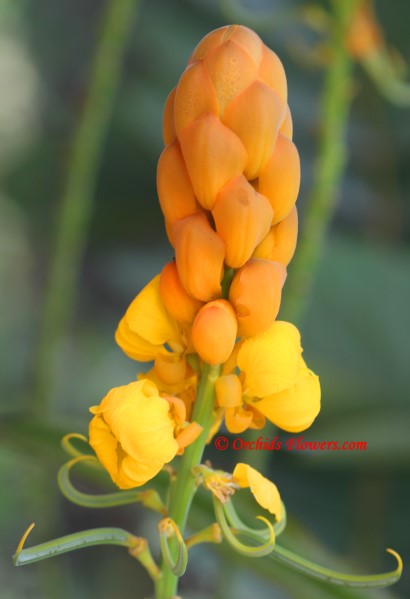 Candle Bush (Senna alata)
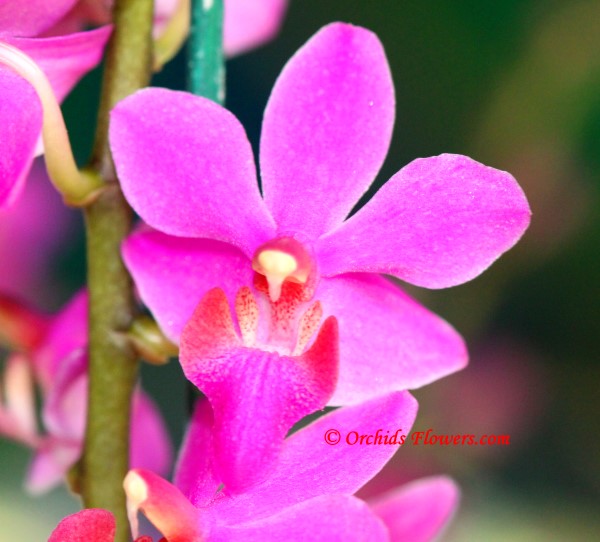 Phalaenopsis Pentel Gem
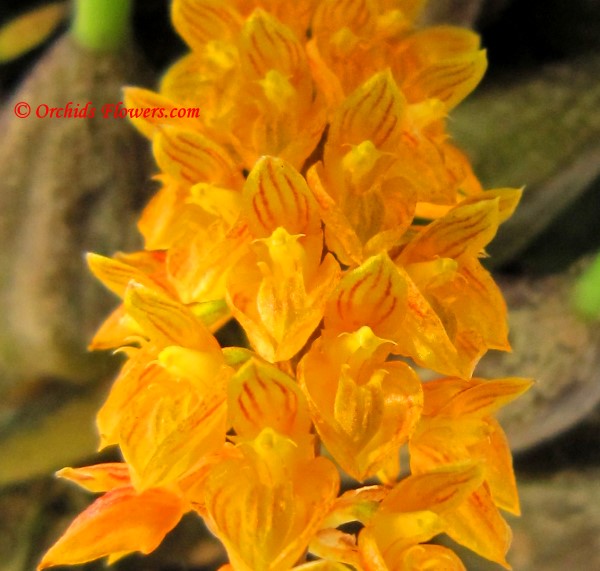 Bulbophyllum elassonotum
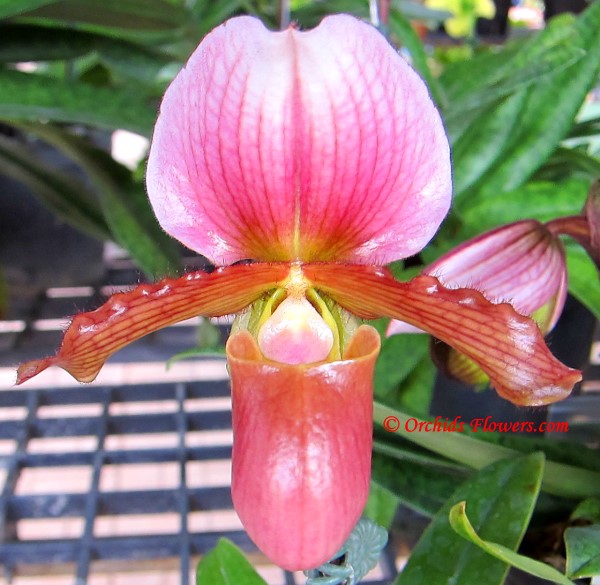 Lady Slipper Orchid Paphiopedilum Pink Lemonade
 Scarlet Ball Cactus (Parodia haselbergii)
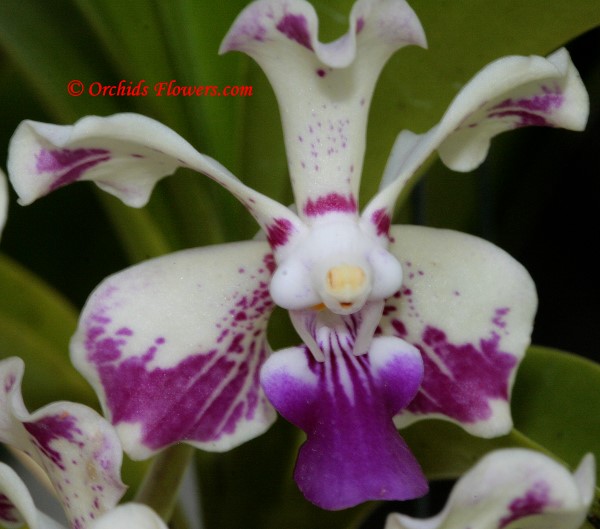 Vanda luzonica



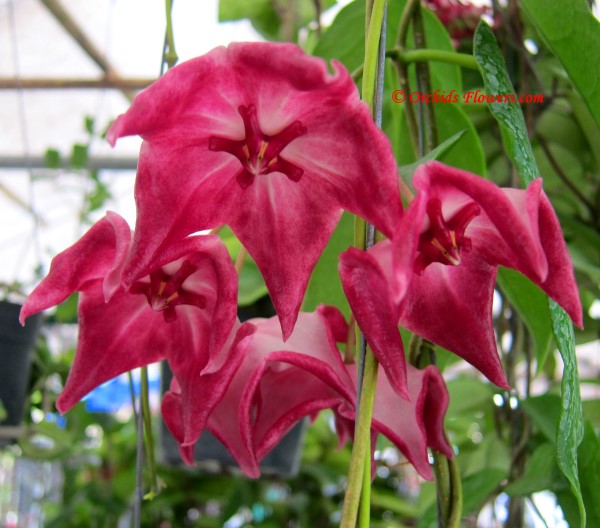 Hoya macgillivrayi F. M. Bailey 1914
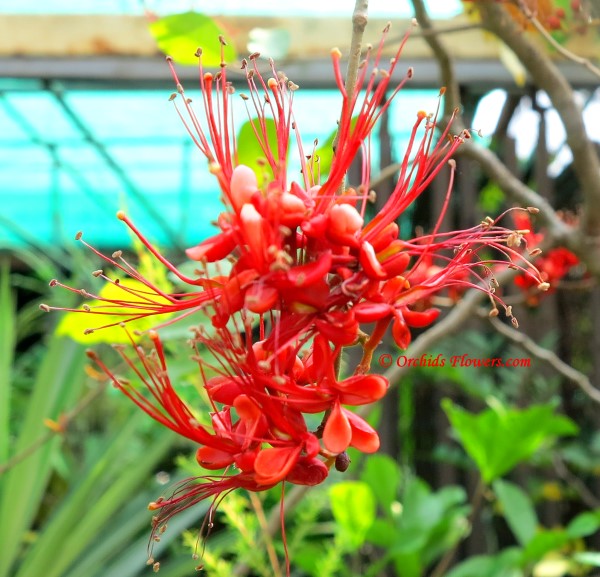 Monkey Flower Tree (Phyllocarpus septentrionalis)
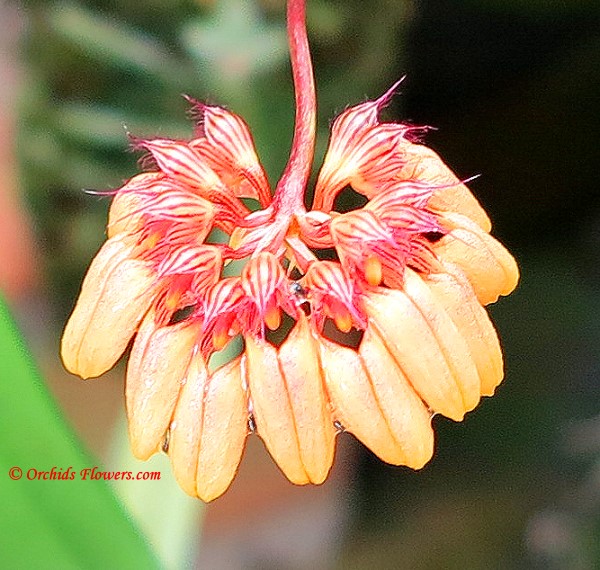 Bulbophyllum sikkimense (Cirrhopetalum sikkimense)
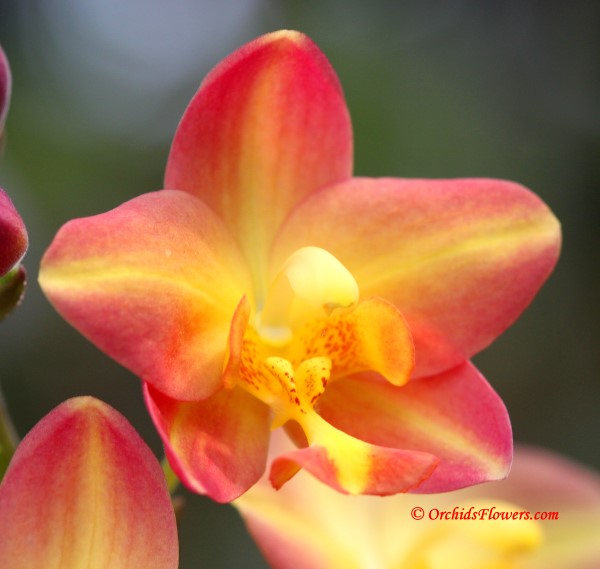 Spathoglottis Citrus Cooler Sorbet